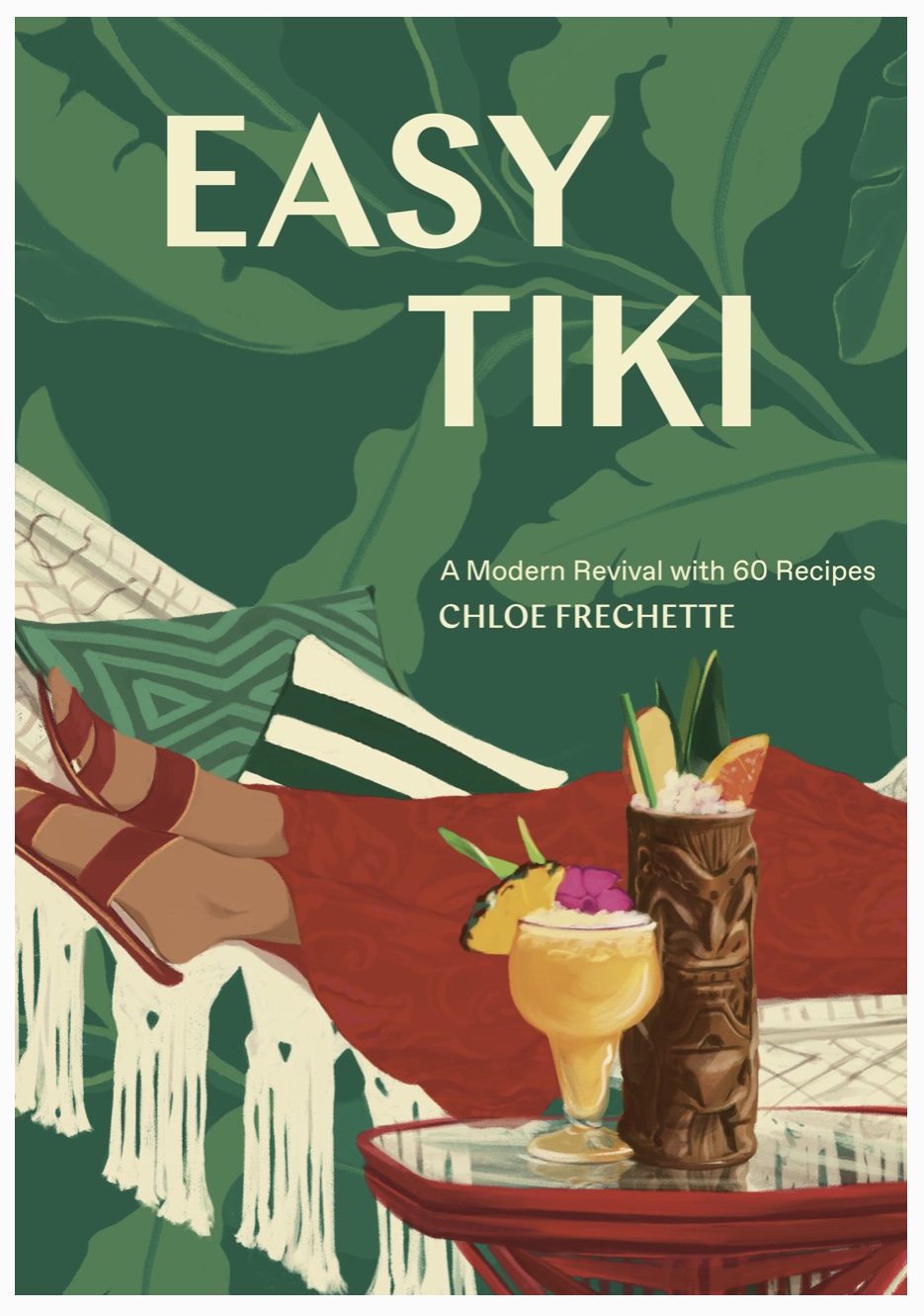
 While this book doesn’t break any new ground, it’s a quite accessible resource for people getting started. The book covers in light detail the history of tiki, basics of rum, and then presents fairly straightforward and simple recipes. No strange or unusual ingredients, like you sometimes find in these recipe books. It’s kind of like if 2019’s Minimalistic Tiki and Tiki: Modern Tropical Cocktails books got together and had a baby.
Too often when things are simplified in these books it ends up creating inaccuracies or the topics are so simplified as to be not understandable. Thankfully, Easy Tiki avoids these problems very well.
There are some good recipes here, including the Mai Sha Roa Na (from False Idol) and a very intriguing Breakfast Mai Tai. There is the Quarantine Order, Staycation, Carrot Colada, and a bunch of other interesting recipes.
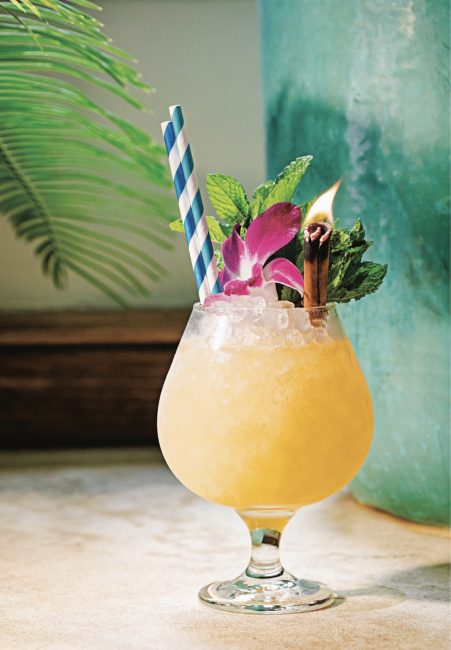
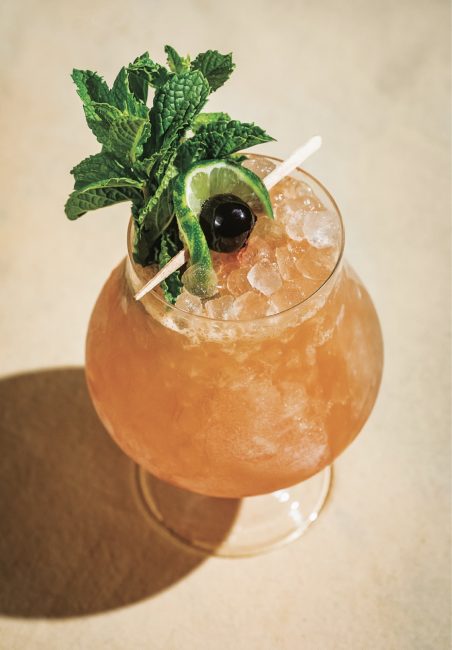
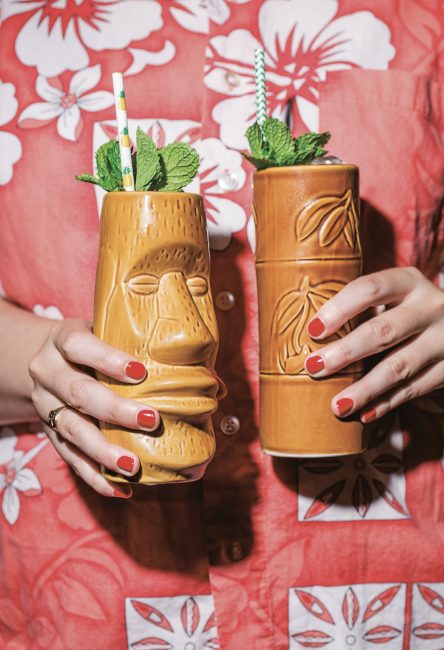
The book is available now from your favorite booksellers. I bought my in Apple Books and the presentation in the app is pretty good. There are some very nice photographs too.
While this won’t replace the deep coverage you find the Smuggler’s Cove, Sippin’ Safari, or Minimalist Tiki books, Easy Tiki is a good resource and potentially helpful option for tiki newbies.