The 1958 Havana Mai Tai was an interesting oddball of a recipe and has some interesting connections to the use of Martinique Rhum in combination with Jamaica Rum. We joined Derek on Make & Drink to discuss and taste this Mai Tai.
Book Review: Cuban Cocktails
I ordered Cuban Cocktails and while there are some nice things about it, there are some significant flaws. This 2016 book comes from the team behind the Death & Co. and the NYC Cuban bar Cienfuegos that closed a couple years ago. The book starts with a history of Cuba and cocktails from the country, including rum that is the key ingredient. Written in 2015 when the Obama administration eased travel restrictions, the book is a sad reminder of the subsequent travel restrictions that remain in place to do this day.
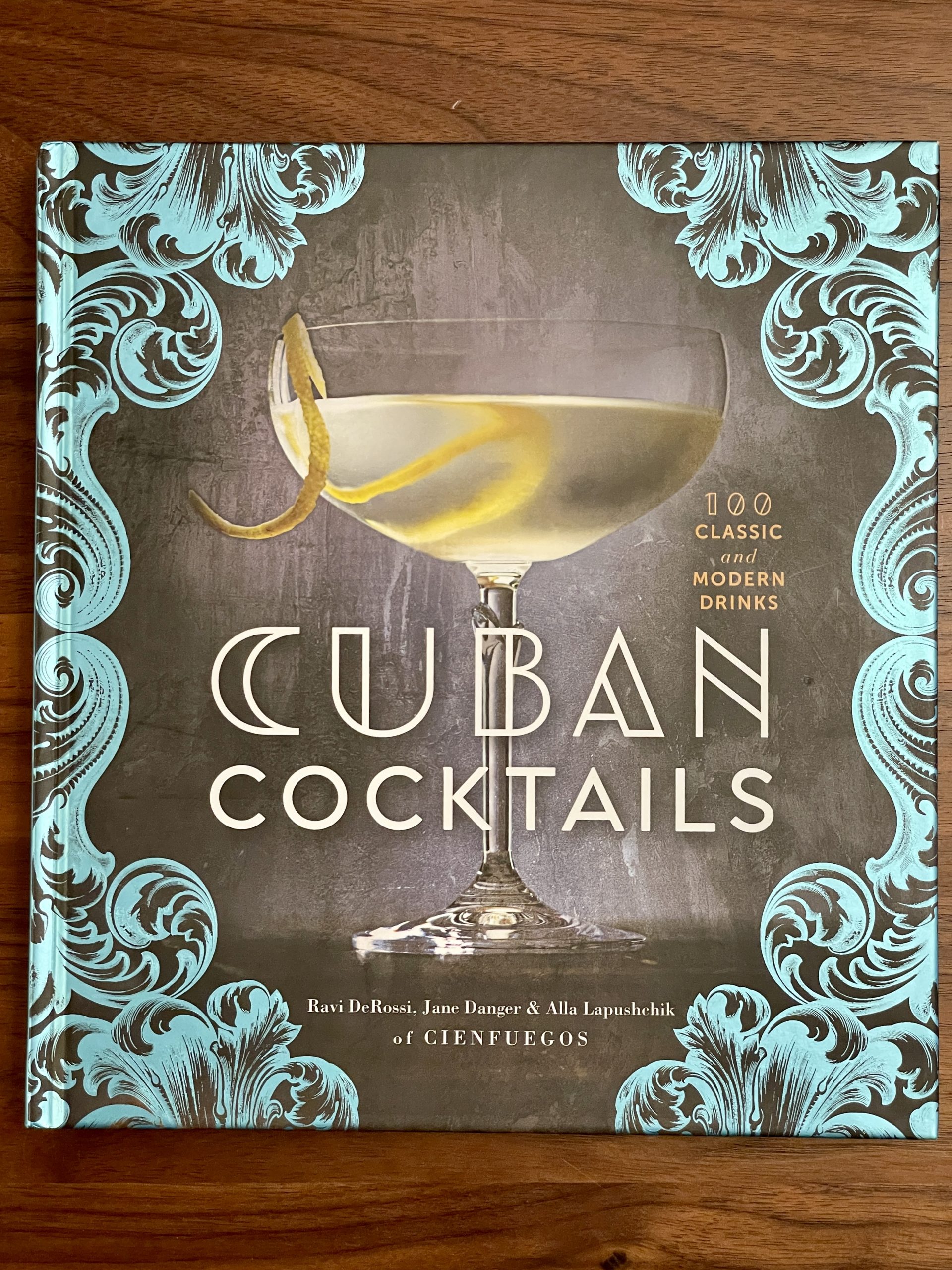
The book takes a chronological approach to the presentation of the recipes, starting the early punch recipes and then moving forward in time to daiquiris, tiki, and present day. While a number of historical recipes are included, there are also modern approaches to these style of cocktails.
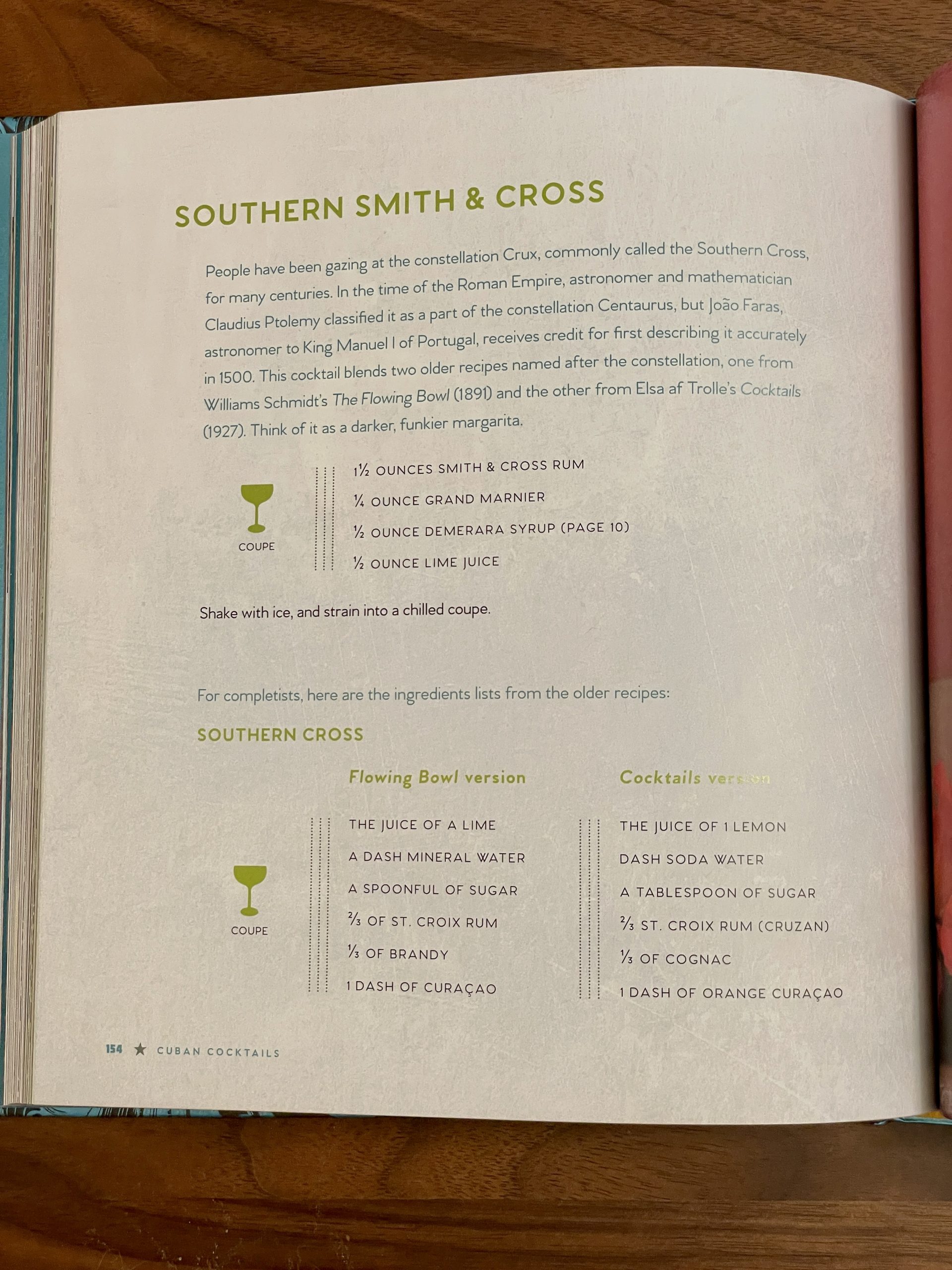
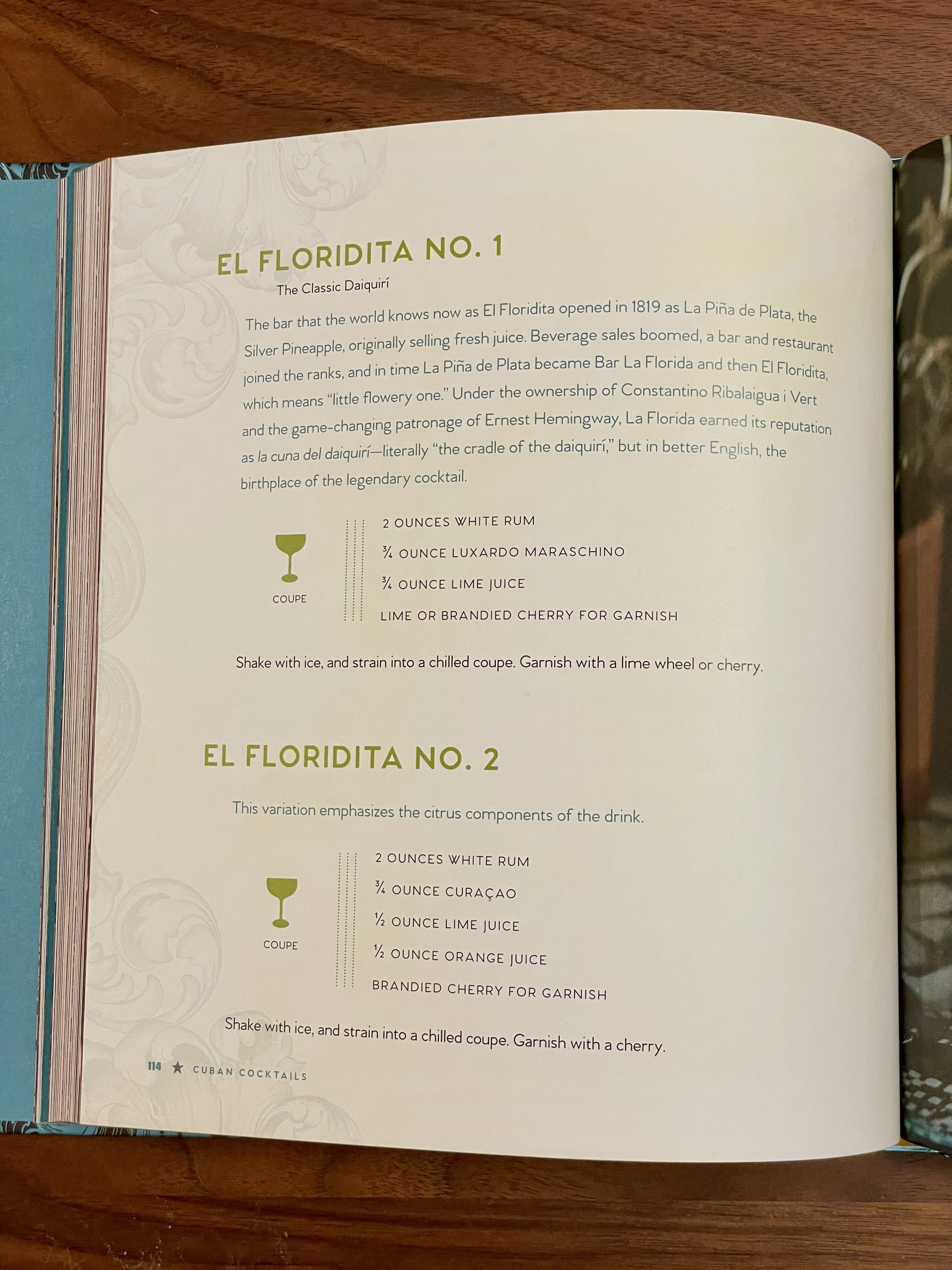
The problem is that while many recipes name-check specific brands, none of those named brands are Cuban rum. Nor are there any suggestions for what kind of rums a US consumer should procure for these recipes. After pages of specific references to Appleton, Smith & Cross, Flor de Cana, and El Dorado the Daiquiri chapter only references “white rum” or “light rum.” This seems to be very curious omission, since Cuban rums aren’t available in the United States. And I doubt these craft cocktail bartenders are using the standard bearer for white rum, Bacardi Superior. The whole point of learning from professional bartenders is to learn what kind of ingredients they use so that the home bartender can elevate their game. There isn’t really any coverage of Cuban brands either, apart from photos that show the Havana Club logo on glassware and bottles.
New Site Feature: 1958 Mai Tai
Our new site page discusses the Mai Tai recipe from the Havana Trader Vic’s, circa 1958.
In addition to being an interesting historical artifact about a little known (and shortly lived) Trader Vic’s location, it is one of the earliest documented references for the use of a Rhum Agricole in a Mai Tai.

Havana Club Bingo
Last night’s Zoom with the Oakhana turned into Havana Club night. Somehow nearly every one of the Bay Area locals had a bottle of the contraband Havana Club rum on hand.
That’s how you know we’re hardcore rum nerds.
So much fun seeing all the Oakland Ohana. Someday soon, in person.

